Serra Cafema Camp
Kunene River, Namibia
 Return to Map of Skeleton Coast & Kunene Return to Map of Skeleton Coast & Kunene
View images of Serra Cafema Camp: Serra Cafema
Images
View Camp Layout Map of Serra Cafema: Serra Cafema
Map
SERRA CAFEMA CAMP RATES: Serra Cafema Camp
Rates
SERRA CAFEMA CAMP - KUNENE RIVER,
NAMIBIA
Serra Cafema Camp is one of the most remote camps in all of Southern Africa and offers one of the most memorable experiences in Namibia. Inspired by the pioneering spirit of the area and the remote explorer aesthetic, Serra Cafema is an unexpected oasis of luxury and sumptuous spaciousness perched on the Kunene River which forms Namibia's northernmost border.
The camp's
Portuguese name comes from the mountains to the north
that dominate
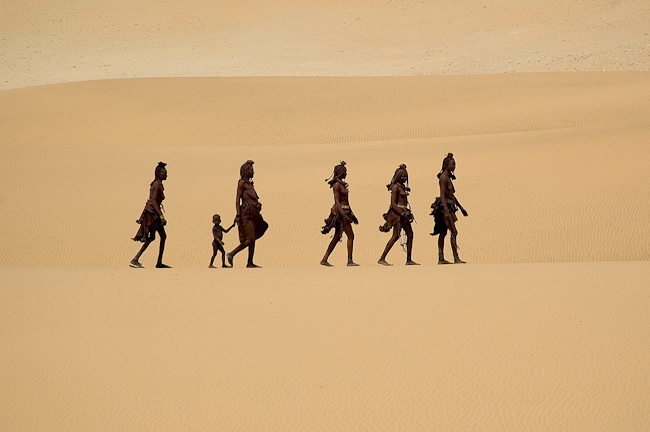
the skyline. The region is shared with wonderful Himba people who are some
of the last true nomadic people in Africa. The Kunene River is the only
permanent source of water in the whole region and the river creates a lush
oasis along it's banks surrounded by rugged mountains and sand dunes. In
some ways, being at Serra Cafema is a bit like being on the banks of
the Nile as the Kunene River meanders through the desert. Serra Cafema
Camp is owned by Wilderness Safaris and Jockel and Monica Gruettemeyer. The Landlords are the local Himba Community.
Accommodation  For images of Serra Cafema Camp, click Serra Cafema
Images
For images of Serra Cafema Camp, click Serra Cafema
Images
Situated under big shady Albida trees overlooking the Kunene River the camp has 7 canvas and thatched chalets on decks, each with its own en-suite bathroom. Attention to detail, elevated decks and simple structures of wood, canvas and thatch create a camp that is at one with its surroundings. The dining room, bar and pool look out over the Kunene River. The sounds of the rapids just downstream from camp contrast starkly with the views of the sand dunes of one of the driest deserts on Earth.
The Ozonganda, or public homestead area, comprises indoor and outdoor dining areas, sunken lounge, river bar, library, shop and swimming pool. Perched on the cool waters of the Kunene River, this area is a celebration of Himba style. Serra Cafema shares this region with the wonderful and colourful Himba people who are some of the last true nomadic people of Africa. The Kunene River is the only permanent source of water and creates an oasis along its banks surrounded by rugged mountains and sand dunes.
Chalet details:
7 canvas and thatched chalets on decks consisting of:
• 1 x family chalet – accommodates four guests.
• 6 x twin chalets (can be converted into doubles on request).
• 2 x guide / pilot tents (i.e. 4 beds. Not the same standard as a guest chalet).
This camp can accommodate 18 guests plus tour leaders.
• En-suite bathrooms with indoor and outdoor shower.
• Private viewing decks overlooking the Kunene River valley and the Serra Cafema hills.
• Ceiling fans, up to 3 per room.
• Large mosquito nets.
• Large luxuriously thatched canvas chalet tents raised off the ground.
• Safe in each chalet.
Camp Details:
• Situated close to the top of a hill with wonderful views across the plains.
• Split-level thatched roof covering the lounge, dining room and bar.
• View over waterhole.
• Swimming pool.
• Curio shop.
• Reception.
• Steps at the Lodge, so not wheelchair friendly.
Daily service is included in the nightly tariff. Due to local custom, undergarments are not laundered in the camp. The camp does not recommend that whites/light colours be laundered at certain times of the year when the water carries more red silt from upstream.
Activities
Activities include enjoying the breathtaking landscape scenes with springbok, ostrich and gemsbok (oryx) dotted here and there, traversing the sand dunes in 4x4 Land Rovers and boating on the Kunene River where one can watch for the Kunene crocodiles. Walking in the remote mountain and river valleys is also a highlight. Serra Cafema is often visited by the native Ovahimba families who live in the nearby vicinity, which gives guests the opportunity to learn about their lifestyle and traditions.
One of the highlights of Serra Cafema is the carefully guided quad-bike excursions that tread lightly on the dunes, while allowing guests to experience a true desert. Guests will travel out in formation
with a guide and head for the dunes. The excursions will be carefully
controlled to ensure that there is no environmental damage – and
will get guests into some wonderful areas while having a lot of fun.
• Nature drives in Hartmann’s Valley in open Land Rovers.
• Environmentally-friendly quad-biking.
• Boating on the Kunene River.
• Walks in the valleys and at the waterfalls.
• Visit to a working Himba settlement.
• A full day outing can be arranged to Marienfluss Valley with a picnic lunch.
Guests will spend time in breath-taking
landscape scenes in the Hartmann Valley, to the south of the camp, with
herds of
Springbok, Ostrich and even Leopard. Game drives amongst the
sand dunes on 4x4 vehicles and boating on the Kunene River are
the focus
for
the
area.
Walking trails in the remote mountain and river valleys will always be
a highlight for those who enjoy foot safaris.
Wildlife and Environment
In the extreme and remote north of Namibia, mountains of largely folded metamorphic rock are cut through by rivers, including the Kunene River that forms the border between Namibia and Angola. In rainy years, the large Marienfluss and Hartmann's valleys become grassy expanses, but generally their flat topographies are covered by sand broken only by a few tough grasses, shrubs and mysterious 'fairy circles'. In this isolated region, the Himba people continue their nomadic, traditional way of life.
The reliable, yet minimalist source of water here is the famous Namibian fog created when the icy Atlantic water meets the warm air of the Skeleton Coast. This moisture drifts far inland along the river valleys and is eagerly harvested by plants and animals before the sun burns off the remnants.
Game viewing in this area is limited to herds of gemsbok, springbok and Hartmann's mountain zebra. The Kunene River has a large population of Nile crocodiles, an anomaly in a desert. Burchell's Courser and Benguela Long-billed Lark are among the characteristic bird species to be found in this area. There are also a number of endemic reptiles, the desert chameleon being a particular specialty.
 Top
Return to Map of Skeleton Coast & Kunene
Top
Return to Map of Skeleton Coast & Kunene
For
further information about the National Parks of Namibia, click Nam
Parks
For
History and General information about Namibia, click More
Namibia
|